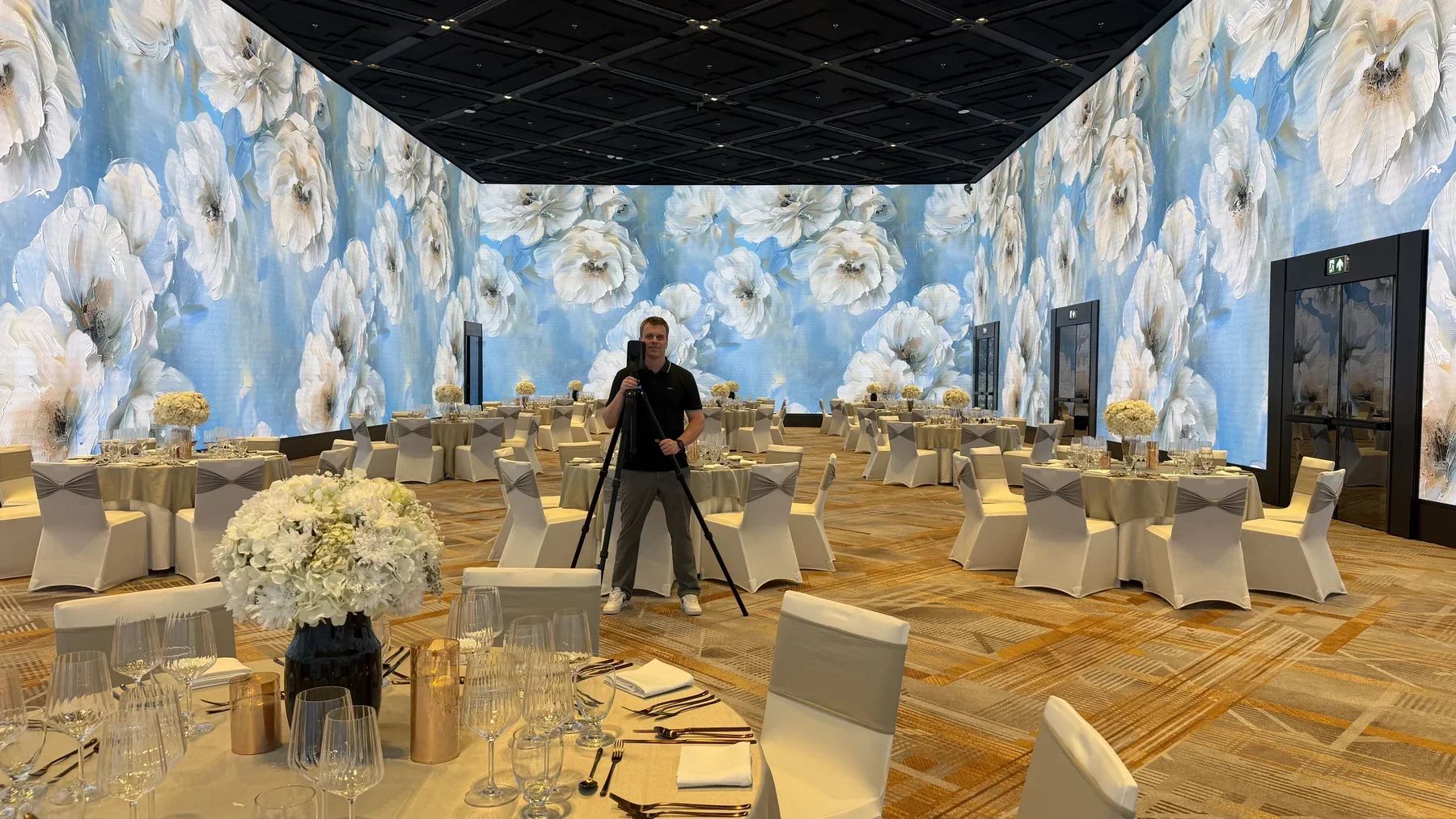
A hotel has a beautiful virtual tour. Its website explains the rooms, its social posts show the pool, and its sales team answers the same questions every week. Each activity has value. The opportunity is to connect them around what a guest needs to understand before booking.
AI can help make those connections. It can organize recurring questions, draft a clearer explanation, suggest relevant visuals and prepare different versions for different channels. The quality of that work depends on the information and decisions behind it.
The starting point is a clear brief: who the business serves, what it offers, which claims it can support and what a customer should do next.
Give AI a reliable understanding of the business
A useful business context is short enough to maintain and specific enough to guide decisions. It explains the audience, their practical questions, the offer, approved evidence and the brand's way of speaking.
For a marina, the audience might include visiting boat owners, prospective berth holders and people looking for a waterfront experience. Those visitors have different questions. A berth enquiry needs different information from a restaurant visit, even when both begin on the same website.
The context should make those distinctions visible. It should also distinguish available services from ideas still in development. An AI-generated paragraph can sound entirely confident about a feature that has never launched. A clear record gives the editor something concrete to check.
Keep information such as prices and availability connected to the system that maintains it. Copying a price into several documents creates several places where it can become outdated.
Connect each task to a customer decision
“Create more content” is a difficult brief to evaluate. “Help a hotel team understand what makes a virtual tour useful before booking” gives the work a purpose.
That question can shape an article, a demonstration and a consultation. The article explains the decisions. The demonstration shows the experience. The consultation explores what would be useful for a particular property.
For a yacht business, the question could concern layout, guest capacity or the difference between charter options. For a retailer, it could concern how a product fits into a real space. The best starting question comes from the business's actual conversations with customers.
Choose one primary next action. A visitor should be able to understand whether the page is inviting them to explore, enquire, book or compare.
Let existing tools do their jobs
A practical workflow can connect the tools a business already uses. Search research identifies questions worth answering. A CRM preserves the enquiry history. Approved media makes the explanation tangible. Website and booking systems provide the next step.
AI helps prepare and interpret the work between those systems. It does not need a second customer database or a new application for every marketing activity.
For businesses using immersive experiences, this is particularly useful. A virtual tour can become source material for a clear project explanation, a visual post or a sales conversation. The team should verify that the depicted interactions work in the current experience and that the images are approved for public use.
Review the work from three useful angles
Before releasing a draft, ask three questions:
- Customer relevance: Does this answer a real question in language the reader understands?
- Evidence: Can we support the claims, and have we made uncertainty clear?
- Conversion: Is the next action useful, visible and appropriate to the reader's stage?
These questions make feedback specific. A headline might be clear but unsupported. An article might be accurate but leave the reader unsure where to go. A booking button might be prominent while leading to an unrelated category.
The review should produce an improvement someone can make, such as clarifying a room distinction or linking a demonstration to the relevant enquiry destination.
Publish something worth adapting
One useful explanation can support several formats. A detailed website article can become a short visual story on LinkedIn or a project note for an industry publication. Each version should suit its readers and provide value on its own.
Google's guidance on generative AI content emphasizes adding value for users. Its spam policies also address producing large amounts of content primarily to manipulate rankings. AI can support research and structure; volume alone is a poor editorial objective.[1][2]
Start with a small number of relevant destinations. Use approved project examples, explain the business connection where appropriate and check the destination's rules before publishing.
Measure the decisions that matter
A faster writing process is useful, but it does not tell the whole story. Look at whether the material attracts relevant visitors, helps people take a meaningful next step and supports qualified enquiries.
Record the measurement period and acknowledge missing information. A handful of visits cannot establish that a new headline caused a commercial improvement. Search visibility, social engagement and sales are different observations; each answers a different question.
Use the findings to choose the next piece of work. If customers still ask about the same room distinction, improve that explanation. If visitors explore a demonstration but struggle to enquire, inspect the journey. The workflow becomes valuable when it helps the business make a better decision.
Build around the experience you want to deliver
For a hotel, that may mean helping a guest understand a room. For a yacht business, it may mean making charter options easier to explore. For a service business, it may mean explaining an offer clearly enough for a prospect to begin a useful conversation.
At 360INT, we can help connect that customer journey with the website, immersive content and AI-assisted workflows behind it. Start with one recurring marketing task and the tools already in place, then build a practical first workflow around the result you want to achieve.
Planning your first AI marketing workflow? Talk to 360INT about the customer experience, content and systems your business needs to connect.
References
- Google Search Central: Using generative AI content on your website
- Google Search Central: Spam policies
Sources checked 15 November 2026.