Key Takeaways
- Move beyond the limitations of static imagery. Learn how to transform your digital presence from a simple gallery into a functional, high-conversion environment.
- Define the technical standards of a leading 3D experience marketing agency. It's the difference between basic spatial capture and a bespoke platform layered with brand intelligence.
- Quantify the impact of immersion on your bottom line. Discover how architectural-grade documentation reduces OTA dependency in hospitality and slashes return rates in retail.
- Execute a strategic audit of your current digital assets. Determine whether your online experience captures the soul of your physical space or if it's time for a visionary evolution.
A static virtual tour is no longer a digital asset. It's a liability. In an era where 71% of shoppers demand augmented reality and 3D visuals can skyrocket conversion rates by up to 90%, a low-fidelity "walkthrough" feels like a relic. You recognize the gap between your physical excellence and your current digital presence. It's frustrating to watch potential guests bounce because your online experience lacks the soul of your actual space. Finding a premier 3D experience marketing agency is the first step toward reclaiming that narrative. It's about evolving from a simple viewer into a high-fidelity digital twin that breathes with your brand.
We'll explore how the industry's top innovators are transforming these spaces into functional, high-conversion ecosystems that integrate directly with your booking and e-commerce engines. You'll discover how to secure architectural-grade documentation while capturing the measurable data necessary for modern operations. We're moving beyond mere hardware. This is a journey through the elite firms bridging the divide between static pixels and intelligent, immersive brand value.
What is a 3D Experience Marketing Agency in 2026?
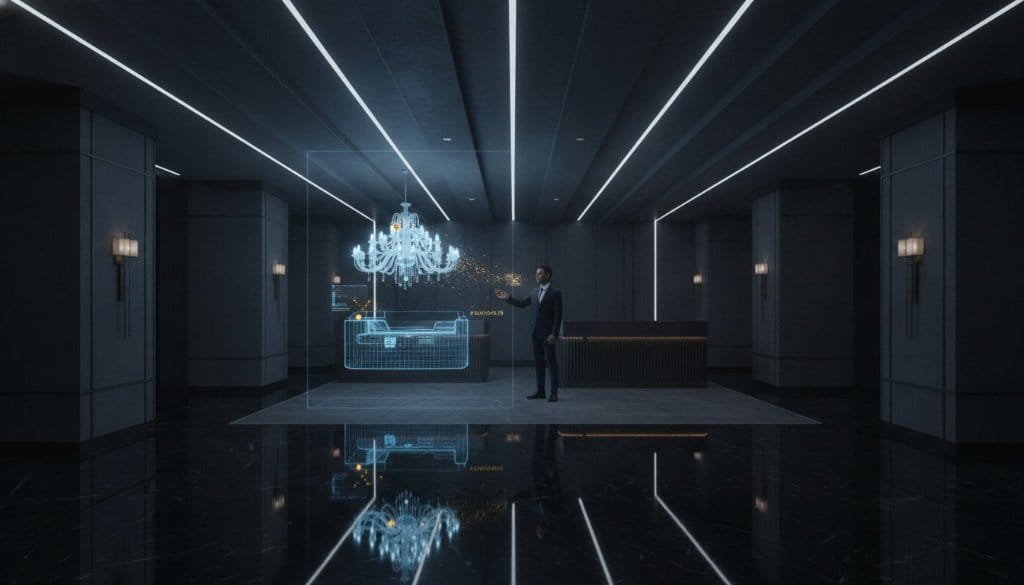
A digital twin is not a destination. It is the foundation of a sophisticated commercial ecosystem. In 2026, a 3D experience marketing agency represents the convergence of three critical disciplines: spatial computing, high-fidelity scanning, and advanced marketing strategy. While a vendor might offer you a camera, an agency offers you a vision. They act as architects of digital-physical hybrids, ensuring that every millimeter of a scanned environment serves a specific business objective.
The industry has undergone a radical shift. Passive observation is extinct. In its place, we find active interaction. Standard 360-degree photography, once the benchmark for online tours, now feels flat and insufficient for luxury brand standards. It lacks the depth, the precision, and the "soul" required to evoke a sense of wonder. A true agency doesn't just capture a room; they layer intelligence onto physical forms, creating a space where users don't just look, they engage, explore, and convert.
Software Platforms vs. Creative Agencies
There is often confusion surrounding the term "3D experience," largely driven by enterprise software platforms like Dassault Systèmes. Tools are essential, but they are not the strategy. A software license provides the canvas; a creative agency provides the masterpiece. For luxury sectors, raw 3D data is sterile without custom storytelling overlays. A top-tier 3D experience marketing agency bridges this gap by treating the digital twin as a high-conversion sales tool rather than a novelty. You need a partner who understands high-end hospitality and global enterprise, not just someone who can operate a scanner. The value lies in the narrative layer that guides a user from curiosity to a confirmed booking.
The 2026 Industry Standard for Immersion
Fidelity is no longer a luxury. It's a baseline expectation. While 4K was once impressive, the 2026 standard demands 8K resolution and LiDAR-backed precision to ensure architectural-grade documentation. This isn't just about aesthetics; it's about trust. Today's most effective experiences are entirely browser-based. They leverage the WebXR Device API to eliminate the friction of app downloads, allowing seamless access across any device. These environments are no longer static snapshots. They're living ecosystems integrated with real-time data, live booking engines, and interactive hotspots that drive immediate ROI.
Essential Capabilities of a Top-Tier 3D Agency
A standard virtual tour is a curiosity. A professional 3D experience marketing agency delivers a commercial engine. To bridge the gap between a simple digital walkthrough and a high-conversion ecosystem, an agency must master more than just a camera. They must possess the technical infrastructure to capture spatial data with surgical precision while layering that data with a brand's unique narrative soul. It's about moving from "what you see" to "what you can do." Precision matters. Intelligence is non-negotiable.
Top-tier agencies prioritize cross-platform compatibility, ensuring that an experience feels just as immersive on a mobile device as it does through a VR headset. This requires a deep understanding of the WebXR Device API and browser-based delivery. By removing the friction of app downloads, you ensure your brand is accessible to a global audience at the moment of peak interest. This seamlessness is what separates a gimmick from a strategic business tool.
The Power of the Digital Twin
Dimensionally accurate models are the new gold standard. Utilizing the Matterport Pro3 and advanced LiDAR mapping, a visionary agency creates a digital twin that serves as a living record of a physical space. This isn't just about aesthetics. It's about utility. For luxury hospitality and global enterprises, these twins allow for remote venue inspection and architectural-grade documentation that eliminates the logistical burden of physical site visits. When your digital asset is accurate to within millimeters, it becomes a tool for operations, not just marketing.
Interactive Layers and Business Integration
A raw scan is silent. An agency gives it a voice. The standard "Matterport look" is often insufficient for premium brands; it feels generic and off-brand. A visionary partner replaces that generic interface with a custom-branded UI/UX that feels like a natural extension of your website. This involves integrating e-commerce hotspots that turn a lounge into a storefront or embedding live booking engines directly into the 3D environment. It's a shift from passive viewing to active commerce.
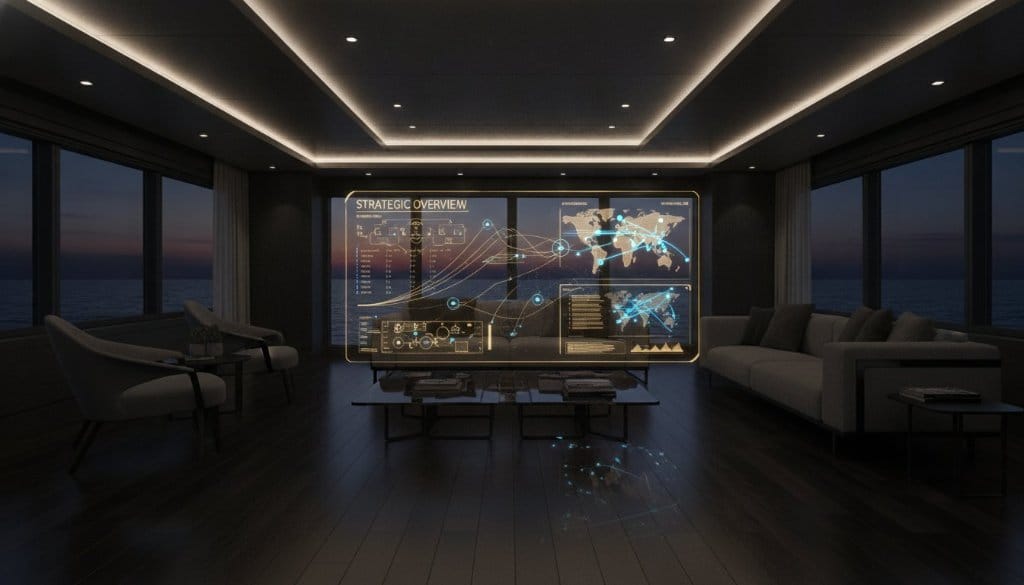
Data is the final frontier of immersion. A leading 3D experience marketing agency doesn't just deliver a link; they deliver a dashboard. By tracking user movement and hotspot engagement, you gain visceral insights into what captures your audience's attention. This transition from static viewing to measurable interaction ensures that your digital space is constantly optimized for ROI. Cinematic visual standards and lifestyle photography are then woven in, ensuring the final product meets the uncompromising expectations of a luxury audience.
The Leading 3D Experience Marketing Agencies for 2026
The market for immersive content has bifurcated. On one side, we find volume-based vendors who capture spaces; on the other, visionary partners who curate experiences. Selecting a 3D experience marketing agency requires an understanding of where your brand sits on this spectrum. While 2026 has seen a surge in "3D providers," only a handful possess the technical depth to integrate spatial data into a luxury brand's commercial strategy. The difference isn't just in the hardware. It's in the intelligence layered on top of the scan.
To navigate this landscape, brands must distinguish between four primary categories of providers:
- 360INT Experience Studio: The benchmark for luxury hospitality and custom tech integration. They specialize in high-fidelity digital twins for yachts, hotels, and premium retail.
- Gradient: A powerhouse for beauty and fashion experiential pop-ups, focusing heavily on AR/VR activations for global icons.
- Matterport Service Partners: Generally volume-driven firms. These are the generalists of the industry, ideal for standard residential real estate but often lacking the custom UI/UX required for premium branding.
- Specialist LiDAR Firms: Engineering-first outfits. They're the right choice for industrial documentation and massive-scale site mapping where millimeter precision outweighs marketing aesthetics.
360INT: Elevating the High-Fidelity Experience
Luxury is defined by the absence of compromise. 360INT has carved a niche by refusing to deliver "standard" scans. Their approach transforms a Matterport environment into a bespoke digital ecosystem through proprietary interactive software layers. This allows brands to bypass the generic interface and present a UI that is entirely on-brand. From the superyacht hubs of Europe to the luxury resorts of Phuket, their global reach ensures that international brands receive a consistent, high-fidelity result regardless of geography. They don't just provide a tour; they provide a cinematic, interactive narrative that drives direct bookings and sales.
Evaluating the Right Fit for Your Brand
The "residential real estate" model is a poor fit for luxury hospitality. High-end brands don't need a simple floor plan; they need an emotional connection. When evaluating a 3D experience marketing agency, scrutinize their portfolio for functional business results. Does the experience feel like a vendor's template, or a custom-built storefront? A boutique studio often provides a level of service and technical customization that larger, generalist experiential agencies cannot match. Your partner should act as a seasoned guide, using technology as a tool for storytelling rather than a gimmick. If the agency can't show you how their 3D assets integrate with your existing booking or e-commerce systems, they aren't building a business platform. They're just taking photos.
Industry-Specific ROI: How 3D Marketing Drives Results
Immersion without impact is merely entertainment. For a global enterprise, the true value of a 3D experience marketing agency lies in its ability to convert digital engagement into measurable revenue. While standard marketing focuses on clicks and impressions, spatial marketing focuses on confidence and conversion. By providing a dimensionally accurate, high-fidelity environment, brands can eliminate the "uncertainty gap" that often stalls a purchase decision. Results aren't just expected; they're engineered.
The applications extend far beyond simple visual representation. In the MICE (Meetings, Incentives, Conferences, and Exhibitions) sector, 3D digital twins accelerate the sales cycle by allowing event planners to conduct remote site inspections with millimeter precision. This reduces the need for costly travel and speeds up contract signings. Similarly, for HR and operations, immersive onboarding experiences for global teams ensure that staff are familiar with a physical layout before they ever step foot on-site. The efficiency gains are profound.
The Hospitality Direct Booking Framework
High OTA commissions are a persistent drain on luxury resort margins. To reclaim this lost revenue, hotels must provide a digital experience that surpasses what third-party platforms can offer. A 3D experience marketing agency builds trust by eliminating "room anxiety," the fear that a physical space won't match its edited photographs. By integrating booking engines directly into a high-fidelity room walkthrough, you create a seamless path from exploration to reservation. 360INT specializes in this exact framework, helping luxury properties bypass intermediaries and drive higher direct booking rates through proprietary software layers that keep the user within the brand's ecosystem.
Virtual Retail and E-commerce Hotspots
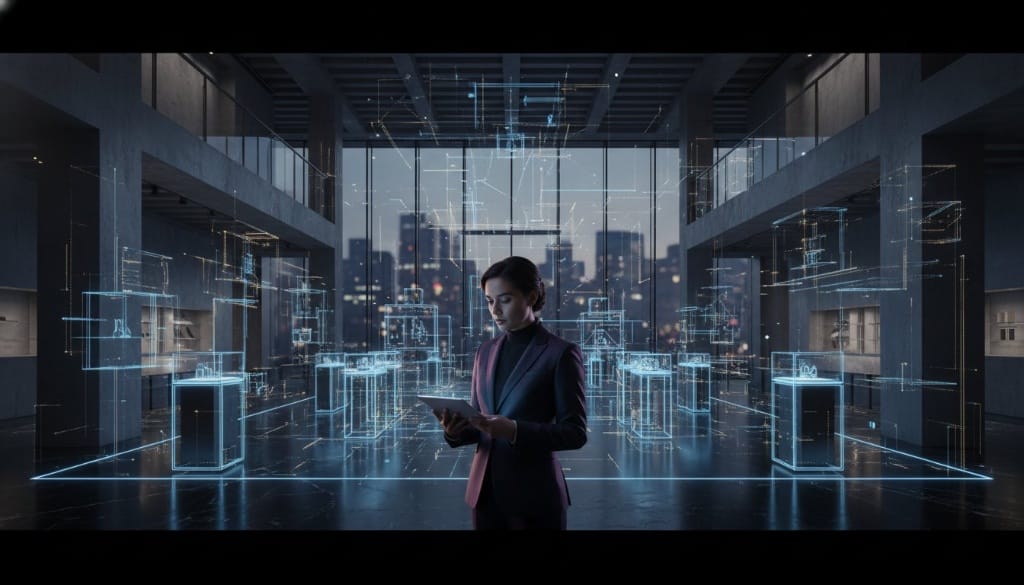
Grid-based scrolling is a relic of the early web. It's a functional but soulless way to shop. In contrast, spatial browsing mirrors the psychology of a physical flagship store, encouraging discovery and increasing dwell time. Research indicates that adding 3D and AR visuals to product pages can increase conversion rates by up to 90%. This isn't just about looking at a product; it's about understanding its scale, texture, and presence. By embedding e-commerce hotspots within a 3D environment, brands can measure ROI through direct "Add to Cart" actions taken inside the virtual space. This transition from a flat catalog to a "Digital Flagship" slashes return rates and builds a deeper emotional connection with the consumer.
Choosing Your Partner: A Strategic Implementation Roadmap
A static digital presence is no longer a neutral state. It's a missed opportunity. To transition from basic imagery to a high-conversion digital ecosystem, you need a structured roadmap. The process begins with a critical audit of your current assets. Are they merely viewing windows, or are they interactive portals? A visionary 3D experience marketing agency doesn't just fill a gallery; they solve a specific business problem. Excellence requires intention.
- Define the Objective: Determine if your primary goal is to drive direct bookings, secure architectural-grade documentation, or create a virtual flagship for retail.
- Seek Technical Synergy: Select a partner who balances the technical precision of Matterport and LiDAR with the cinematic soul of high-end lifestyle photography.
- Execute a Pilot: Start with a flagship asset. Focus on a high-value room type or a signature venue to prove the ROI before scaling across the brand.
- Measure and Scale: Utilize data-driven insights from user movement and hotspot engagement to refine the experience across your entire portfolio.
The 360INT Approach: From Scan to Strategy
Transformation is a methodical process. Our engagement begins with on-site high-fidelity scanning and drone mapping to capture every nuance of your physical environment with surgical precision. This raw data is the foundation, but the value is created during custom post-production. We add the "interactive soul" to the digital twin through proprietary software layers that align the experience with your unique brand identity. It's a seamless blend of technical authority and premium sensibility. Beyond the initial launch, we provide ongoing support and data analysis, ensuring your digital assets remain high-performing commercial engines rather than static snapshots.
Ready to Transform Your Digital Presence?
The digital landscape is moving toward a spatial future. Waiting to adopt these standards isn't a strategy; it's a retreat. Your competitors are already leveraging 3D visuals to increase conversion rates and build deeper trust with their audiences. The gap between those who embrace immersion and those who cling to the static is widening. We invite you to a strategy session to explore how your physical excellence can be mirrored in the digital space. It's time to move beyond utility and into the realm of high-fidelity brand value.
Frequently Asked Questions
What is the difference between a 360 tour and a 3D experience marketing agency?
A standard 360 tour is a collection of flat, panoramic images stitched together to create a simple viewing window. In contrast, a 3D experience marketing agency delivers a dimensionally accurate spatial environment layered with interactive brand intelligence. It's the difference between looking at a photograph and stepping into a living digital twin that drives actual business results.
How much does it cost to work with a 3D experience marketing agency?
Investment levels are determined by the physical scale of your asset and the complexity of the custom tech integration required. While basic spatial capture serves as an entry point, bespoke digital ecosystems for luxury hospitality or global enterprises involve a more comprehensive strategic commitment. We suggest a strategy session to define a scope that aligns with your specific ROI objectives.
Can I integrate my existing booking system into a 3D virtual tour?
Yes, seamless integration with your current booking or e-commerce engine is a hallmark of a sophisticated agency partner. We embed interactive hotspots that allow users to confirm a reservation or purchase a product directly within the 3D environment. This eliminates the friction of navigating away from the experience and captures intent at its peak moment.
What industries benefit most from 3D experience marketing?
Luxury hospitality, superyacht brokerage, and high-end retail see the most profound impact on their bottom line. Any sector where the physical space is a primary selling point benefits from the trust and transparency provided by a digital twin. It allows international clients to inspect a venue or product with architectural-grade precision from anywhere in the world.
Do I need special hardware or an app to view these 3D experiences?
No, modern 3D experiences are entirely browser-based and require no app downloads or specialized hardware. They utilize the WebXR Device API to deliver high-fidelity immersion across any smartphone, tablet, or desktop. This ensures your brand remains accessible to a global audience without the technical barriers that often stall digital engagement.
How long does it take for a 3D experience marketing agency to complete a project?
Project timelines vary based on the square footage of the space and the depth of the interactive post-production. While a high-fidelity scan might be completed in a matter of days, a fully integrated commercial platform for a large-scale resort typically requires several weeks of development. We prioritize a meticulous capture process to ensure the final asset meets luxury standards.
What is a digital twin, and why does my brand need one?
A digital twin is a dimensionally accurate, 3D replica of a physical environment or object. Your brand needs one to evolve beyond static media and provide a functional business asset that serves both marketing and operations. It provides a permanent, intelligent record of your space that can be used for remote inspections, training, and high-conversion storytelling.
How do you measure the ROI of a 3D marketing experience?
ROI is quantified through direct conversion data, such as increased direct booking rates and higher average order values. By monitoring user movement and hotspot engagement, we can identify which specific physical features are driving the most commercial interest. This data allows you to optimize your physical and digital environments for maximum financial performance.