A standard 360 degree panorama is no longer a digital asset; it's a digital dead end. While basic virtual tours often feel like uninspired gimmicks, the modern luxury consumer demands a sophisticated, frictionless journey that bridges the gap between physical wonder and digital convenience. You've likely noticed that static 2D websites often fail to convey your brand's true value, leading to high bounce rates and missed opportunities. This is where 3D virtual tour ecommerce integration transforms the narrative. At 360INT, we don't just provide scans. We take spaces utilized by Matterport and enhance them with proprietary intelligence to create interactive business environments that actually sell.
It's time to move beyond the passive walkthrough and embrace a platform that drives measurable retail growth. You understand that your digital presence should be as refined as your physical showroom, yet many tools lack the depth to facilitate a true commerce experience. This article explores how to evolve your digital twins into high-conversion spatial platforms. We'll show you how 3D product visualization can increase ecommerce conversion rates by up to 40 percent while simultaneously reducing return rates by that same margin. Discover the strategic layers of software and interaction that turn a simple scan into a powerful, revenue-generating engine.
Key Takeaways
- Contrast traditional, passive 360 panoramas with the next evolution of digital storefronts: the spatial commerce platform.
- Understand how the 360INT intelligence layer transforms foundational Matterport scans into sophisticated, high-conversion business environments.
- Discover the specific metrics, including reduced return rates and enhanced lead qualification, that prove the ROI of 3D virtual tour ecommerce integration.
- Follow a strategic implementation roadmap that moves from high-fidelity spatial capture to the deployment of a fully branded interactive experience.
- Learn how bespoke software overlays allow luxury brands to maintain their unique DNA while providing a seamless, guided purchasing journey.
Table of Contents
- The Shift from Passive Viewing to Spatial Commerce Platforms
- Anatomy of an Intelligent 3D Digital Twin for E-commerce
- Quantifying the Value: ROI and Sales Enablement Metrics
- Strategic Implementation: From Concept to Global Storefront
- Elevating the Retail Narrative with 360INT Experience Studio
The Shift from Passive Viewing to Spatial Commerce Platforms
Static imagery is becoming a relic of the past. For years, the digital storefront has relied on a two dimensional grid of white background photos that, while functional, lack the emotional resonance and architectural context of a physical flagship store. Traditional 360 degree panoramas attempted to solve this, but they often fell short. These early iterations of the virtual tour were largely passive experiences; they allowed users to look around, but they didn't allow them to act. They were hollow visual shells that failed to bridge the gap between curiosity and commerce.
The evolution of the digital twin has changed the stakes. At 360INT, we view the physical space as a foundation rather than a final product. While we utilize Matterport as a high fidelity skeletal structure, we believe that a scan without intelligence is a wasted asset. True transformation happens when you move beyond simple walkthroughs and into the territory of 3D virtual tour ecommerce integration. This is the "Upgraded for Business" philosophy. It's the process of layering proprietary software and strategic interaction onto a digital twin to create a measurable, high performance commerce engine.
Beyond the 360-Degree Panorama: Why Standard Tours Fail
Standard panoramic systems are insufficient for luxury brands. They offer no meaningful interaction, which quickly leads to viewer fatigue. When a user can't interact with a product or find deeper information, they bounce. These passive systems also suffer from a critical lack of data tracking. Marketing teams are left in the dark, unable to measure which zones of a showroom drive interest or where the buying journey stalls. Perhaps most importantly, the inability to checkout directly from the environment creates massive friction. If a customer has to leave the immersive space to find a product on a standard web page, you've already lost the emotional momentum of the sale.
Defining Spatial Commerce in the 2026 Digital Economy
Spatial commerce represents a fundamental shift in how we perceive the online shopping journey. It moves the brand experience away from a clinical list of features and toward a sensory rich narrative. In this new economy, intelligent Matterport experiences provide the "soul" that is missing from traditional ecommerce. They allow customers to understand the scale, texture, and placement of products within a curated environment. Spatial commerce is the fusion of high-fidelity 3D visualization and real-time transactional functionality. By integrating your inventory directly into the spatial data, you turn every corner of your digital twin into a point of sale. This isn't just a way to see a store; it's a new way to operate a business.
Anatomy of an Intelligent 3D Digital Twin for E-commerce
A digital twin is more than a visual replica; it's a living architecture of data. While many vendors stop at the point of capture, we recognize that a raw scan is merely a skeletal frame. To build a true commerce platform, you must layer intelligence onto that physical form. This is the essence of 3D virtual tour ecommerce integration, where the spatial environment becomes an active participant in the sales cycle. It's about moving away from passive observation and toward a functional, data-driven business asset.
Matterport Foundation, 360INT Intelligence: The Upgraded Architecture
We utilize Matterport as our foundational high-fidelity skeleton. It provides the industry's most reliable spatial data and visual clarity. However, a skeleton cannot communicate brand values or facilitate a transaction on its own. 360INT provides the intelligence layer that sits on top of this foundation. We enhance visual fidelity through meticulous post-production and integrate branded storytelling overlays that align with your luxury DNA. This transforms a basic digital twin into an interactive business environment that feels like a premium hospitality experience. Explore our advanced 3D virtual tour services to see how we transform raw data into a polished, professional engagement platform.
Interactive Hotspots and Real-Time Inventory Synchronisation
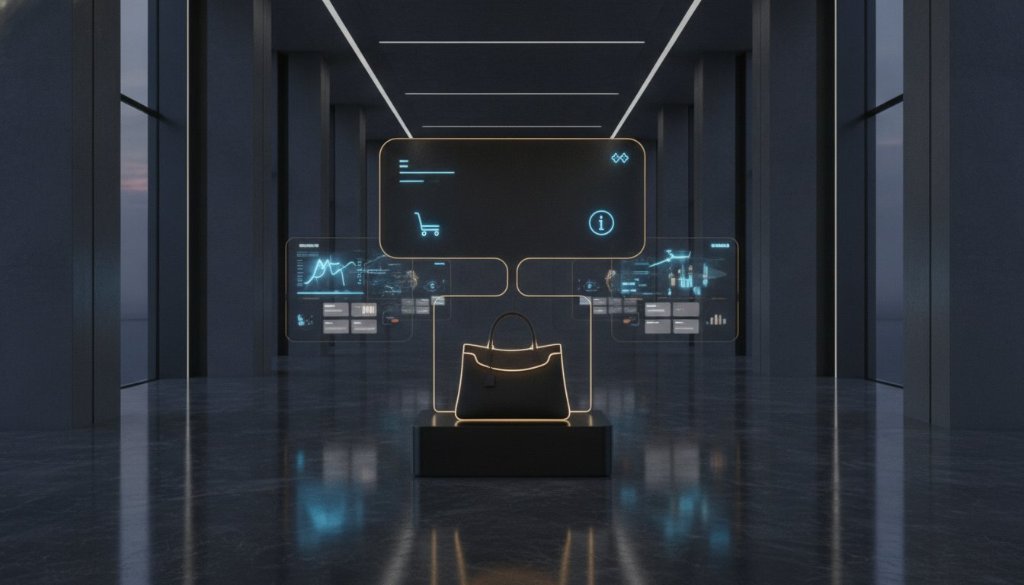
Traditional hotspots are often little more than static text boxes that interrupt the user's flow. We replace these with dynamic commerce widgets. Through custom API integrations, your 3D environment synchronizes with your back-end warehouse in real time. This ensures that pricing remains accurate and availability is always verified. If a product goes out of stock in your physical warehouse, the hotspot in your digital twin reflects that change instantly. This level of precision eliminates the "reality gap" that often plagues online shopping.
The experience is designed for seamlessness. A customer can engage with a one-click 'Add to Cart' feature without ever leaving the immersive environment. This maintains the emotional connection established by the spatial layout. To further elevate the journey, we implement AI-driven object recognition. This technology identifies items within the scan and suggests related products based on the user's current position and preferences. It's a guided purchasing journey that feels intuitive rather than forced. If you're ready to see how these layers can be tailored to your specific brand, you might consider how to architect your own spatial commerce platform today.
Quantifying the Value: ROI and Sales Enablement Metrics
A digital twin is not a vanity project; it's a strategic investment. While passive systems offer mere visualization, 360INT creates intelligent environments that move the needle on key business indicators. By implementing 3D virtual tour ecommerce integration, brands transition from providing "walkthroughs" to operating powerful experience sales tools. This transformation is rooted in data, allowing for the precise measurement of engagement and the optimization of the purchasing funnel. It's about turning a visual asset into a high-performance commerce engine that justifies its own existence through measurable growth.
Reducing the 'Reality Gap': Impact on Returns and Customer Confidence
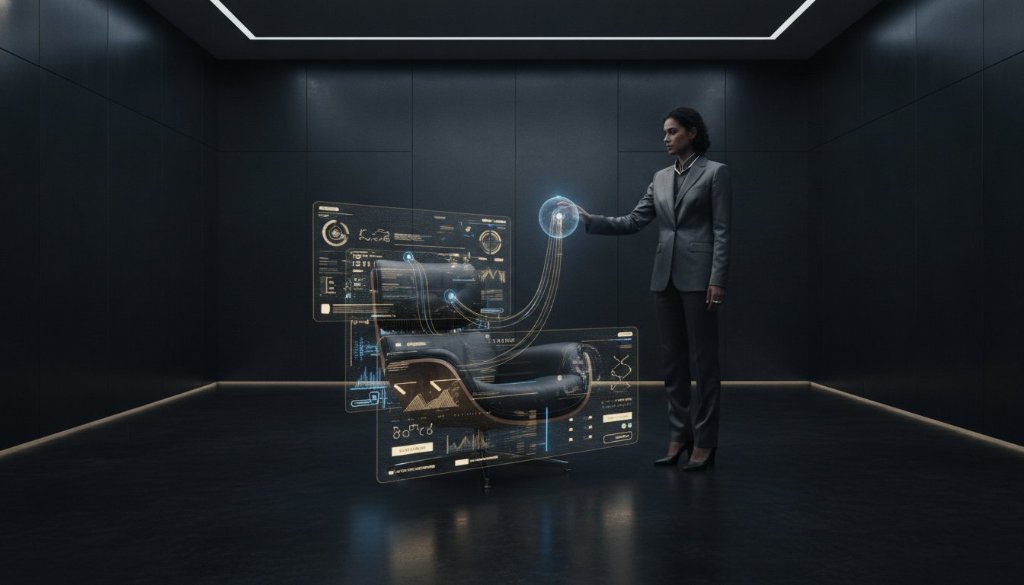
The "Reality Gap" is the disconnect between a 2D product photo and the physical item. In luxury retail and high-end furniture, this gap is the primary driver of product returns. By providing true-to-scale, high-fidelity representations within a digital twin, we eliminate the uncertainty regarding texture, scale, and material finish. The impact is staggering. According to industry data for 2026, the use of 3D visualization can reduce product return rates by up to 40 percent in categories like furniture and apparel. This builds a level of customer confidence that a static grid simply cannot match, as shoppers feel they've already "touched" the product before it arrives. It moves the conversation from "I hope this fits" to "I know this belongs."
Data-Driven Insights: Measuring Spatial Engagement and Heatmaps
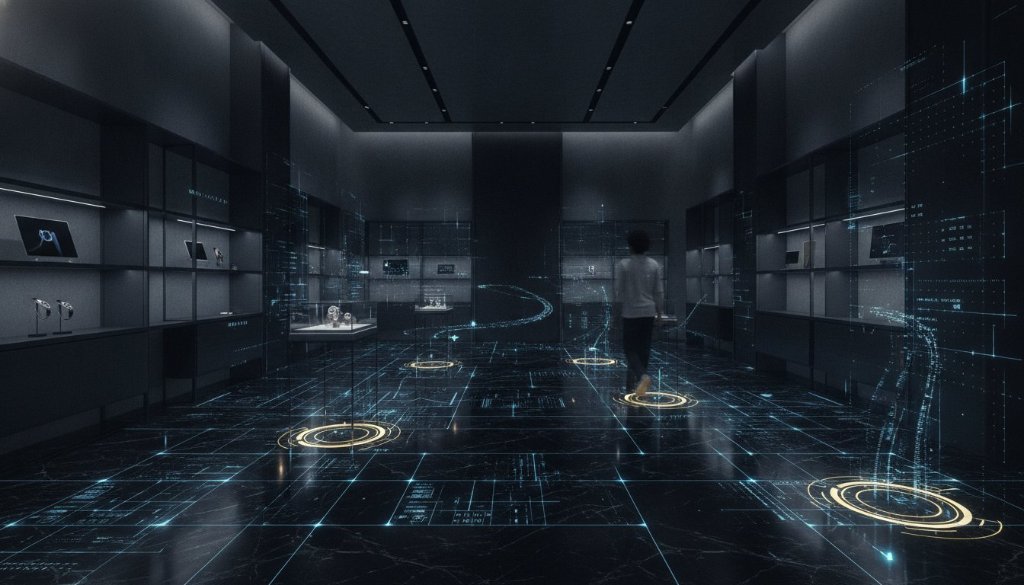
Traditional web analytics tell you what a user clicked; spatial analytics tell you why they stayed. Our intelligent Matterport experiences allow brands to track gaze duration and movement patterns within the 3D environment. This heatmapping functionality identifies which products command the most attention and which areas of your virtual store are "dead zones." Identifying these patterns allows for real-time merchandising adjustments that maximize sales floor efficiency. Consider these specific outcomes:
- Lead Qualification: Identifying high-intent buyers based on their interaction with specific architectural features or high-value hotspots.
- AOV Growth: Driving conversion rate uplifts of up to 40 percent through integrated, shoppable digital twins.
- Operational Efficiency: Using spatial data to optimize physical store layouts based on virtual customer flow.
Beyond visual engagement, these platforms act as sophisticated lead qualification tools. By analyzing how a user interacts with specific hotspots, sales teams can identify high-intent buyers before a single word is exchanged. This data-driven approach ensures that your marketing efforts are never wasted. Enhance your online visibility with our digital marketing strategies to ensure these high-intent users find your spatial commerce platform in the first place. When you align high-fidelity visualization with rigorous data tracking, you don't just see your customers; you understand them. This is the next evolution of 3D virtual tour ecommerce integration, where every spatial data point serves a commercial purpose.
Strategic Implementation: From Concept to Global Storefront
Transformation doesn't happen by accident. It's the result of a deliberate, architectural process that moves beyond the simple capture of a space and into the development of a functional commerce engine. While a basic scan can be completed in hours, a high-performance 3D virtual tour ecommerce integration requires a strategic roadmap. We break this journey into four distinct phases designed to ensure that your digital twin isn't just a visual asset, but a robust platform for global retail growth.
- Phase 1: High-Fidelity Spatial Capture. We begin with precision architectural documentation, using Matterport technology to create a high-fidelity spatial skeleton that serves as our foundational layer.
- Phase 2: The Intelligence Layer. This is where we layer branded storytelling, custom interaction, and sensory details onto the scan, evolving it from a passive view into an active business environment.
- Phase 3: E-commerce Stack Integration. We connect the spatial data to your existing backend, whether you use Shopify, Magento, or WooCommerce, ensuring a seamless flow of inventory and transactional data.
- Phase 4: Optimization and Launch. Post-launch, we utilize AI-driven engagement data to refine the user journey, ensuring the platform continues to evolve alongside your customer's needs.
Designing the Guided Purchasing Journey within a 3D Space
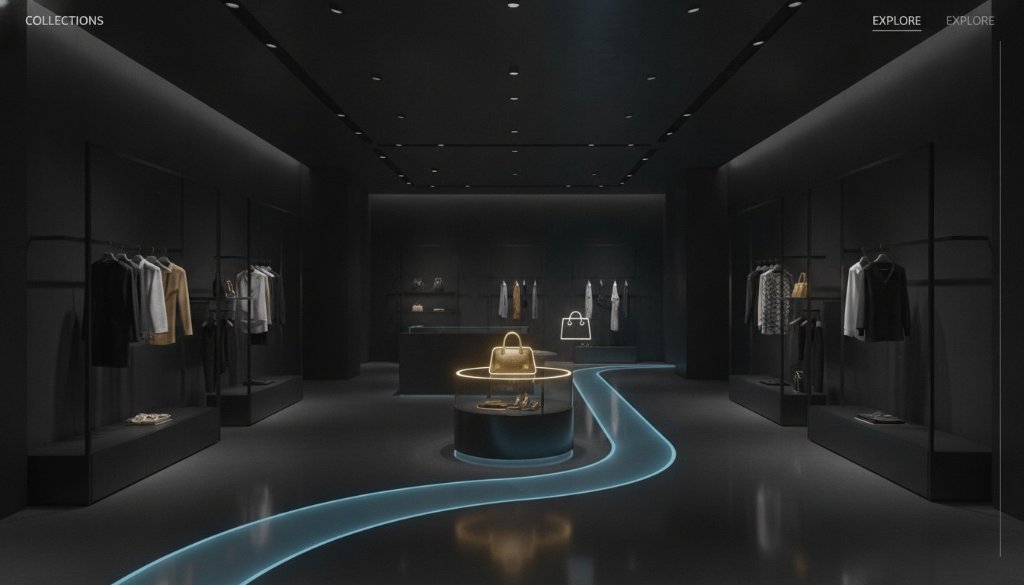
A luxury experience should never feel aimless. To prevent viewer fatigue, we architect "Hero Paths" within the digital twin. These are automated, cinematic tours that guide the user through your most important collections, ensuring they don't miss the key highlights of your brand narrative. For those who require a more personal touch, we integrate live assistance modules. Using "Live Booking" engines, your sales team can host private virtual consultations directly within the 3D space, bridging the gap between digital convenience and high-end hospitality. Discover our custom immersive experiences for business to see how we blend automation with human connection.
Technical Integration: Connecting 3D Layers to Your Existing E-commerce Stack
The true power of an intelligent Matterport experience lies in its connectivity. We don't just place tags; we map Matterport "Mattertags" directly to the product SKUs in your database. This ensures that every "Add to Cart" action is synchronized with your real-time inventory. We prioritize enterprise-grade performance, hosting the intelligent layer on secure, high-speed servers to guarantee fast loading times for global audiences. In a world where a one-second delay can impact conversion, our technical architecture is built for speed and stability. If you're ready to move beyond the limitations of standard web design, you can request a quotation for your spatial commerce platform and begin your brand's digital evolution today.
Elevating the Retail Narrative with 360INT Experience Studio
A simple scan is a commodity. A 360INT environment is a masterpiece of digital architecture. While some providers suggest that a mobile phone is all you need to create a digital presence, we understand that luxury brands require a depth of fidelity that DIY tools cannot reach. We don't merely provide a service; we act as visionary architects of digital worlds. By prioritizing the "soul" of a physical space, we ensure that every 3D virtual tour ecommerce integration reflects the prestige and intentionality of your brand. We move beyond the hardware and focus on the holistic experience, layering intelligence onto physical forms to create a seamless bridge between reality and the digital frontier.
Bespoke Software Overlays: Tailoring the Interaction to Luxury Brands
The standard "Matterport look" is often a barrier for high-end enterprises. It feels clinical, generic, and disconnected from a brand's unique DNA. Our Experience Studio removes these limitations by replacing the default interface with bespoke software overlays that match your specific aesthetic. We integrate custom UI/UX elements that feel intuitive and sophisticated. This isn't just about changing colors; it's about incorporating cinematic brand films and high-end architectural photography services directly into the spatial journey. By blending these sensory layers, we transform a digital twin into a rich, narrative-driven engagement platform that captivates the consumer from the first moment of interaction.
Future-Proofing Retail: AI Recognition and Immersive Brand Storytelling
The next evolution of spatial commerce lies in personalization. We are already looking toward a future where AI-driven object and room recognition allow for a bespoke shopping journey tailored to the individual user. Imagine a digital twin that recognizes a visitor's preferences and highlights specific collections in real-time. This intelligence extends beyond the sales floor. These same environments serve as powerful operational tools, facilitating online learning and HR onboarding within the same 3D ecosystem. Our holistic approach includes:
- VR180 Integration: Adding cinematic depth to product showcases for true immersion.
- 3D Drone Mapping: Capturing the grand scale of flagship exteriors and global campuses.
- Intelligent Hotspots: Using spatial data to trigger personalized storytelling moments.
Your physical space is one of your most significant investments. It's time to treat its digital counterpart with the same level of strategic importance. By choosing 3D virtual tour ecommerce integration through 360INT, you aren't just creating a walkthrough; you're building a measurable business asset that drives ROI and elevates your brand narrative on a global scale. We invite you to collaborate with us to architect the next generation of your digital presence. 360INT delivers the intelligence that turns scans into sales.
Architecting the Future of Spatial Commerce
The digital landscape is shifting from static observation to spatial interaction. You've seen how standard digital twins, while visually impressive, often lack the commercial intelligence required to drive measurable growth. By embracing 3D virtual tour ecommerce integration, your brand transitions from a passive visual visit to a high-fidelity transactional journey. We provide the essential software layers that transform a physical space into a performance-driven sales tool. These aren't mere walkthroughs; they are intelligent business environments designed specifically for high-end markets.
At 360INT, we believe technology should do more than just show; it should sell. We specialize in luxury hospitality and global retail, ensuring that every digital interaction matches the prestige of your physical environment. Our solutions are utilized by Matterport and enhanced by 360INT, providing the proprietary functionality needed for direct sales and deep engagement. It's time to claim your place in the modern digital economy with a platform that delivers tangible ROI and a futuristic brand image.
Elevate your retail experience with 360INT's intelligent spatial commerce platforms. Your physical assets are ready for their digital evolution.
Frequently Asked Questions
How does 3D virtual tour e-commerce integration improve conversion rates?
3D virtual tour ecommerce integration improves conversion by providing the spatial context and scale that traditional 2D grids lack. It allows shoppers to explore products within a curated, high-fidelity environment, which builds the confidence required for high-value purchases. By removing the "reality gap," brands can see a measurable uplift in sales as customers feel more connected to the physical product before it arrives.
Can I integrate a virtual tour with existing platforms like Shopify or Magento?
You can absolutely integrate these experiences with major platforms like Shopify, Magento, or WooCommerce. We utilize custom APIs to synchronize your digital twin with your existing inventory management system. This ensures that every interaction within the spatial environment is backed by real-time data, from pricing updates to stock availability.
What is the difference between a standard Matterport tour and an intelligent digital twin?
A standard Matterport tour is a passive visual walkthrough that functions as a hollow shell with limited business utility. An intelligent digital twin, enhanced by 360INT, is an active commerce platform upgraded for business. It includes proprietary software layers for data tracking, lead qualification, and direct transactional functionality that a raw scan simply cannot provide.
How do shoppable hotspots work inside a 3D virtual environment?
Shoppable hotspots function as dynamic commerce widgets that link spatial data directly to your product database. Instead of a static text tag, these widgets allow for real-time interaction and one-click "Add to Cart" actions. This seamless 3D virtual tour ecommerce integration ensures that the emotional momentum of the immersive journey isn't broken by a clumsy checkout process.
Is it possible to track customer behavior and ROI within a 3D virtual store?
It's possible to track every aspect of customer behavior, including gaze duration on specific products and the exact path taken through a showroom. This spatial data allows brands to identify high-intent buyers and optimize their virtual layouts for maximum engagement. These insights provide a clear framework for measuring ROI by correlating spatial interactions with final conversion metrics.
What are the technical requirements for hosting a high-fidelity 3D e-commerce experience?
Hosting a high-fidelity experience requires a modern web architecture that supports API connectivity and full mobile responsiveness. We manage the enterprise-grade hosting of the intelligent layer to ensure that your global audience experiences seamless loading speeds. Your existing website remains the primary storefront while our spatial platform acts as the high-performance engagement engine.
Can 3D virtual tours be used for luxury real estate and hotel booking integration?
These platforms are highly effective for luxury real estate and hospitality, particularly for MICE sales and ballroom visualization. We integrate live booking engines and AI-driven room recognition to facilitate faster decision-making for event planners and high-end buyers. This transforms a simple walkthrough into a sophisticated sales enablement tool that qualifies leads before they ever reach out.
How long does it take to develop a custom interactive layer for a 3D scan?
The timeline for developing a custom interactive layer typically ranges from two to four weeks following the initial spatial capture. This duration allows our Experience Studio to architect the bespoke UI, integrate your e-commerce stack, and optimize the branded storytelling overlays. We ensure that the final platform is a polished, professional asset that aligns perfectly with your brand DNA.