Most e-commerce sites are digital filing cabinets. They're organized and functional, yet they're entirely devoid of life. While your physical flagship breathes with atmosphere and intention, your virtual storefront likely remains a flat, transactional grid that fails to capture the true scale of your brand. This disconnect is why traditional product pages suffer from high bounce rates; they offer utility without the sensory experience that drives luxury consumption.
You've likely felt the limitations of 2D retail. It's cold. It's impersonal. We're here to bridge that gap by showing you how to transform static e-commerce into a high-fidelity 3D sales platform. By merging spatial storytelling with transactional intelligence, you can create an immersive digital destination that increases time-on-site and mirrors the hospitality of your physical assets.
Key Takeaways
- Move beyond the flat 2D grid by understanding how three-dimensional digital twins transform passive browsing into experiential discovery.
- Identify the essential components of a high-fidelity virtual storefront, from Matterport Pro3 precision to custom interactive software layers.
- Navigate the three tiers of digital immersion to select a solution that aligns with enterprise-level luxury standards rather than basic utility.
- Evaluate agency partners using a strategic framework focused on industry-specific portfolios and advanced technical capabilities like LiDAR mapping.
- Learn how to integrate spatial storytelling with transactional intelligence to create a digital asset that functions as a high-performance sales engine.
Defining the Virtual Storefront: Beyond the 2D E-commerce Grid
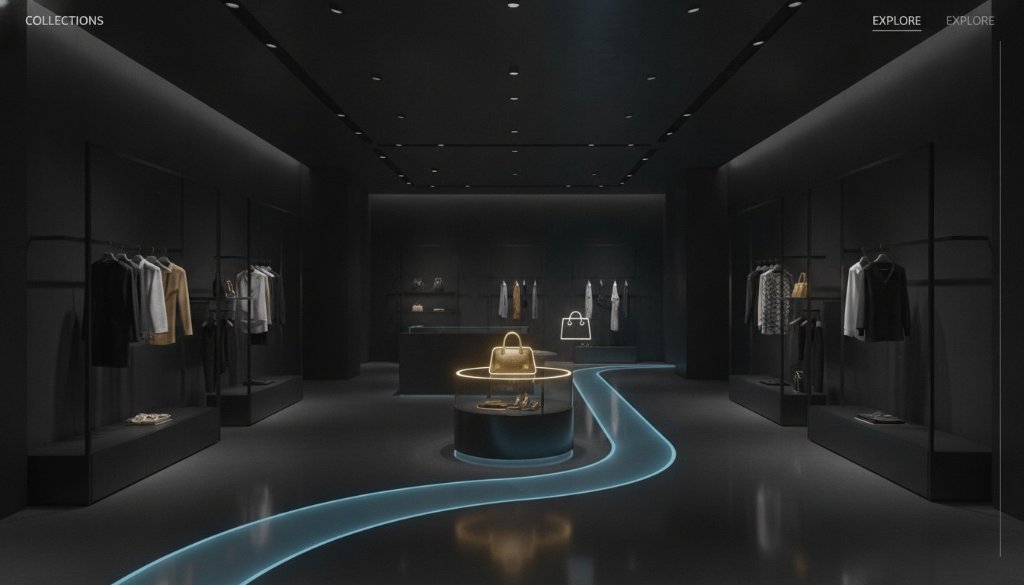
Standard e-commerce is a catalog. It's a flat, two-dimensional grid of squares and prices. While this serves a basic utility, it lacks the soul of a physical flagship. In 2026, the virtual storefront has emerged as something far more profound. It's a three-dimensional, interactive digital twin that captures the exact atmosphere and scale of a physical retail environment. This isn't just about selling a product; it's about Spatial Commerce. It's the necessary transition from a transactional browse to experiential discovery. Luxury brands are moving away from static images because they understand that context is currency.
The Evolution from 360 Photos to Digital Twins
A 360-degree photo is a flat projection. It's a static bubble where you can look around but never truly move through the space. A digital twin is different. By utilizing Matterport technology and precise 3D scanning, we create a dimensionally accurate replica of your environment. The iconic dollhouse view provides immediate spatial context, allowing customers to understand the relationship between architectural elements and the collections within them. When a user feels they're truly standing in your showroom, the digital barrier dissolves. It's no longer a website; it's a destination.
Why 2D Websites are Failing the Modern Luxury Consumer
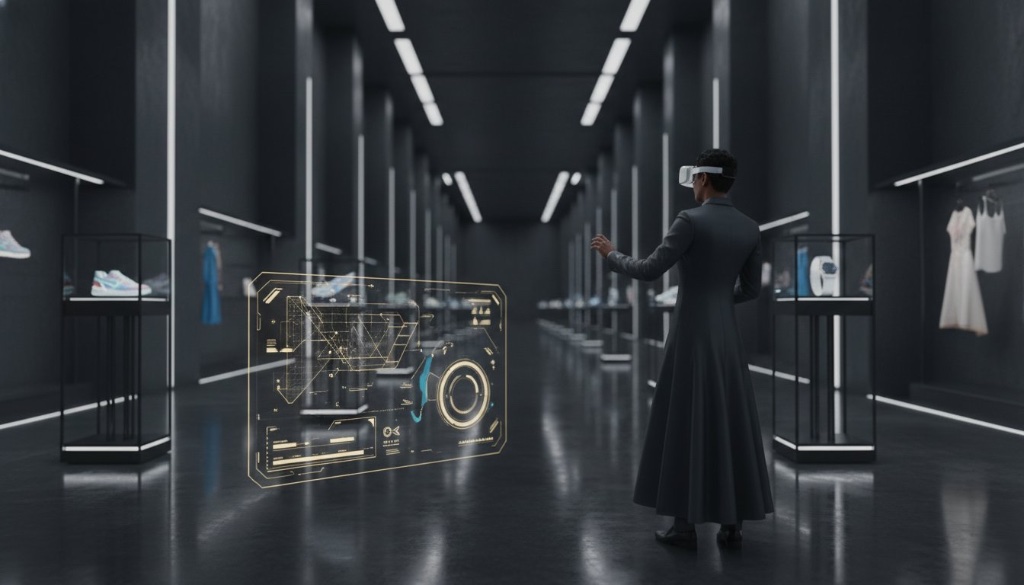
Grid fatigue is real. Most luxury websites feel cold and transactional, featuring identical layouts that fail to communicate a brand's heritage or unique aesthetic. This creates an imagination gap. The consumer must guess the scale, the texture, and the lighting of the product. Immersive spaces close this gap by providing a sensory-rich environment that demands engagement. A virtual storefront is the essential bridge between the soul of a physical asset and the limitless scale of the digital world.
The High-Fidelity Anatomy: Essential Components of a 3D Storefront
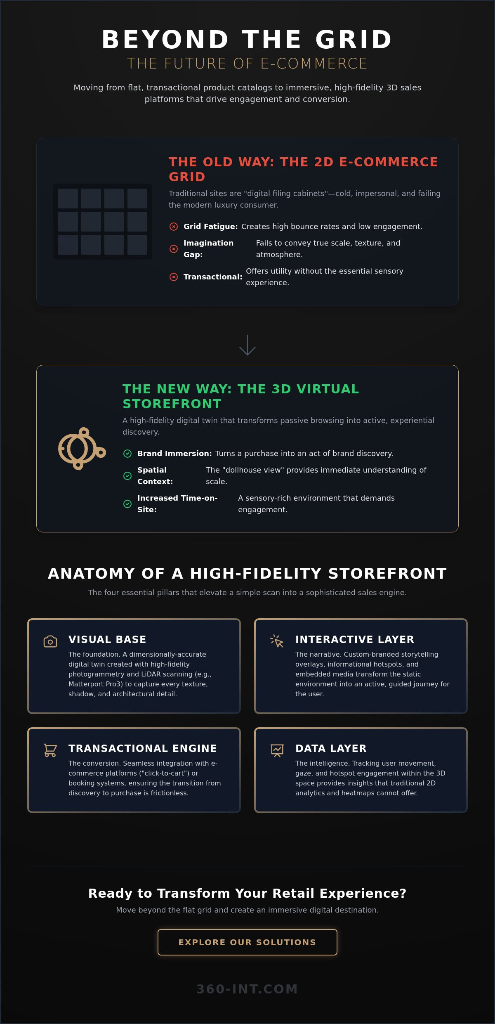
Building a high-performance virtual storefront requires more than just a camera and a tripod. It demands a deliberate architecture where spatial beauty meets technical rigor. We define this through four essential pillars that elevate a simple scan into a sophisticated sales engine.
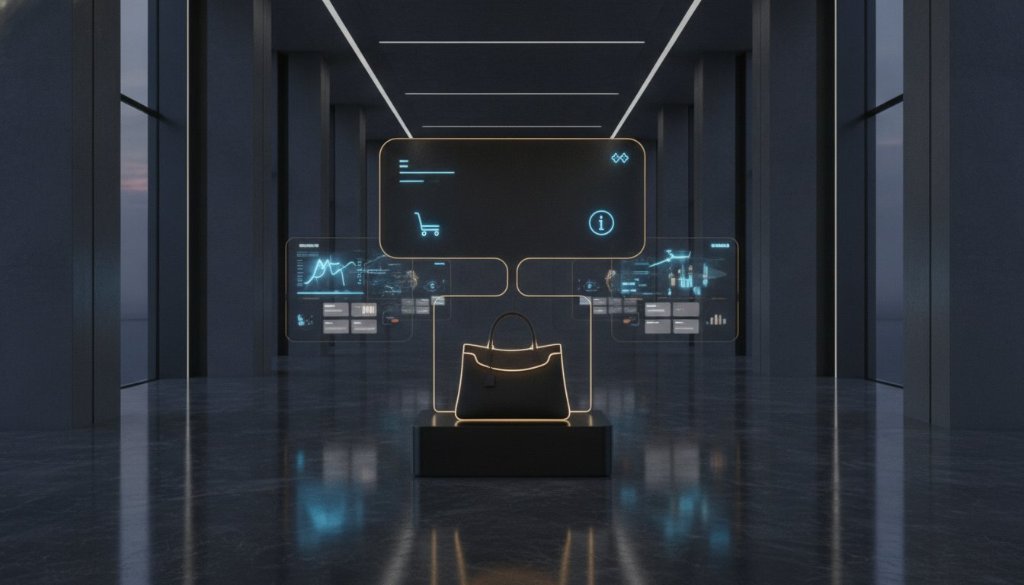
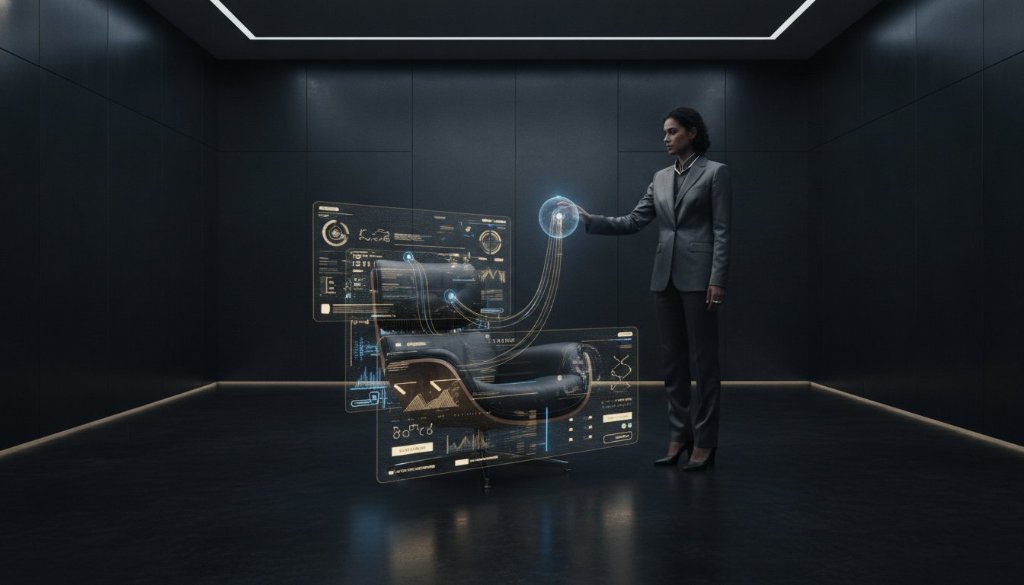
The visual base is your foundation. We use high-fidelity photogrammetry and Matterport scanning to capture the physical soul of your space with mathematical precision. Above this sits the interactive layer, where static environments become active narratives through custom-branded storytelling and informational hotspots. The third pillar is the transactional engine — whether a direct e-commerce link or a complex booking system, the transition must be invisible. Finally, the data layer provides intelligence by tracking user movement and engagement within the 3D space.
Interactive Hotspots: Turning Scans into Sales
Scans provide the "where," but hotspots provide the "why." By integrating e-commerce hotspots, you enable click-to-cart functionality directly within the immersive experience. This removes the need for customers to navigate away to a separate product page, maintaining the emotional momentum of discovery. We often incorporate video-in-tour elements to add human warmth, allowing a brand ambassador to provide expert guidance as the user explores. Matterport tours with custom branded storytelling overlays represent the gold standard in modern retail.
Seamless E-commerce and Booking Integrations
Friction is the enemy of conversion. A premium virtual storefront must bridge the gap between a 3D walkthrough and your existing checkout flow, whether you use Shopify or a bespoke platform. For hospitality storefronts and MICE venues, Live Booking is non-negotiable. The ability to see a ballroom or a suite and reserve it instantly transforms the tour from a marketing asset into a direct revenue stream.
Comparing Immersion Tiers: From Basic 360 to Interactive Twins
Not all digital spaces are created equal. As you consider a virtual storefront for your brand, it's vital to distinguish between mere visibility and true prestige. The market is currently divided into three distinct tiers of immersion, each offering a vastly different return on investment.
Tier 1 consists of Basic 360 panoramas, often associated with Google Street View. These are functional for local SEO, yet they're aesthetically hollow. Tier 2 introduces Interactive VR, which often relies on gamified, CGI environments. While engaging, they frequently suffer from a cartoonish aesthetic disconnected from reality. Tier 3 represents the Enterprise Standard: High-Fidelity Digital Twins. By combining Matterport technology with custom software layers, this tier provides a photorealistic, dimensionally accurate experience that mirrors the soul of your physical asset.
Visual Fidelity vs. Gamification
Fidelity is trust. In the luxury sector, the imagination gap created by low-fidelity visuals directly erodes conversion rates. A gamified environment, while engaging, signals to the consumer that the brand prioritizes novelty over substance. High-fidelity photorealism, on the other hand, communicates a commitment to quality that aligns with the values of premium clientele. When your digital space looks and feels as premium as your physical one, the consumer's confidence in the product quality follows.
The Enterprise Standard for Luxury and Yachting Sectors
In the ultra-high-net-worth sectors of luxury retail and superyacht charter, the standards are uncompromising. A potential charterer considering a multi-million dollar booking will not accept a pixelated or cartoonish representation of a vessel. They demand the photorealistic fidelity of a high-end digital twin, complete with accurate measurements and lifestyle context. This is where the distinction between tiers becomes a direct revenue issue. Deploying a Tier 1 or Tier 2 solution in a Tier 3 market is not just a missed opportunity; it's an active signal that undermines brand credibility.
The Buying Guide: How to Evaluate a Virtual Storefront Agency
Selecting an agency to build your virtual storefront is a strategic decision. The wrong choice results in a digital asset that becomes outdated and fails to convert. The right choice creates a living platform that becomes your most powerful sales tool. Begin your evaluation by examining the agency's portfolio for industry-specific case studies. A generic portfolio is a red flag. You need evidence that they understand the nuances of your specific sector.
The second criterion is technical capability. Ask specifically about their hardware and software stack. Do they use Matterport Pro3, the current professional standard, or older models? What is their LiDAR mapping capability for large or exterior environments? Do they have proprietary software for the interactive layer, or do they rely entirely on Matterport's native tools? The answers to these questions will reveal whether the agency is a true technical partner or a reseller of standard services.
Key Questions to Ask Before Signing
Before engaging any agency, you must understand their post-production capability. The scan is the skeleton; post-production is the soul. Ask to see examples of their color grading work and custom hotspot design. Evaluate whether these elements feel premium or utilitarian. Ask about their integration track record. Have they successfully connected 3D tours with live booking engines or e-commerce platforms like Shopify? Request references from clients in your specific vertical. A superyacht broker's reference is irrelevant to a luxury fashion retailer, and vice versa.
Red Flags and Non-Negotiables
There are several red flags that should immediately disqualify an agency. The first is a lack of a proprietary interactive layer. If they cannot offer custom hotspot design and software integration beyond Matterport's native tools, they are a scanning service, not a strategic partner. The second red flag is an inability to demonstrate ROI through case studies. A credible agency will have data showing how their immersive experiences have impacted dwell time, conversion rates, or direct booking volumes for previous clients. The third red flag is no evidence of LiDAR capability, which is essential for any project involving large-format spaces or exterior environments.
360INT Experience Studio: Transforming Retail into Immersive Destinations
We are not a scanning service. We are visionary architects of digital worlds. 360INT Experience Studio exists at the intersection of high-end creative direction, spatial technology, and commercial intelligence. Our approach to the virtual storefront begins not with hardware, but with strategy. We ask: what does this brand need its digital space to accomplish? What emotional response should a first-time visitor have? What action should they take, and how do we make that action feel inevitable rather than transactional?
This strategic foundation informs every technical decision we make. We deploy Matterport Pro3 hardware for photorealistic capture. We use drone LiDAR mapping to document large-format environments with architectural precision. We build proprietary interactive layers with e-commerce and booking integrations, and we design data capture frameworks that give your marketing team actionable intelligence. The result is not a virtual tour. It's a high-performance sales ecosystem.
Our Global Portfolio: From Phuket Resorts to European Yachts
Our experience spans the most demanding environments in the global luxury market. From the sprawling resort estates of Phuket to the intricate interiors of European superyachts, we have developed specialized protocols for every type of high-value asset. This breadth of experience means that when we take on a new project, we bring a depth of context that a generalist agency simply cannot match. We understand how the light falls differently on a teak deck in the Mediterranean versus a marble lobby in Bangkok, and our production approach reflects that understanding.
The Future of Spatial Commerce is Here
The brands that invest in high-fidelity virtual storefronts today are building a competitive moat that will be increasingly difficult for competitors to cross. As consumer expectations for digital experiences continue to rise, the gap between a premium 3D environment and a flat 2D grid will only grow. The question is not whether your brand will eventually adopt spatial commerce; it's whether you'll be a pioneer or a follower. Partner with 360INT Experience Studio to build your virtual storefront and secure your position as a leader in the next era of luxury retail.
Frequently Asked Questions
What is the difference between a virtual storefront and a standard 360-degree tour?
A standard 360-degree tour is a static photographic bubble that allows viewers to look around a fixed point without true spatial movement. A virtual storefront is a high-fidelity, dimensionally accurate digital twin built with Matterport technology that enables fluid navigation through a space, complete with interactive hotspots, e-commerce integrations, and custom software overlays. The latter is a sales engine; the former is a simple visual aid.
How does a 3D virtual storefront integrate with existing e-commerce platforms like Shopify?
Integration is achieved through custom API development and proprietary software overlays. Our technical team builds connections between the interactive hotspots within the 3D environment and your existing product catalog and checkout flow. When a user clicks on a product within the immersive space, they can add it directly to a cart that's synchronized with your Shopify backend, completing the purchase without ever leaving the 3D experience.
What is spatial commerce, and why is it relevant to luxury brands?
Spatial commerce refers to the integration of three-dimensional, navigable digital environments with transactional e-commerce functionality. It is the evolution beyond the flat 2D product grid. For luxury brands, it's critically relevant because it closes the imagination gap that traditional online retail creates. High-net-worth consumers demand context, atmosphere, and a sense of brand heritage that a standard product page cannot convey. A spatial commerce environment provides all of this while enabling direct purchase.
How long does it take to build a high-fidelity virtual storefront?
Project timelines depend on the scale and complexity of the environment. A single-location luxury retail space typically requires a 1-2 day on-site production phase, followed by a 2-3 week post-production period for 3D processing, custom overlay development, and e-commerce integration. Multi-location projects and environments requiring drone LiDAR mapping will require additional time. We provide detailed project timelines during the initial strategy consultation.
What data can be collected from a 3D virtual storefront?
The data layer of a high-fidelity virtual storefront can capture significantly richer behavioral data than traditional 2D analytics. We can track user movement paths through the space, identify which areas generate the most dwell time, measure engagement rates with specific hotspots and products, and correlate these spatial behaviors with conversion events. This provides a three-dimensional understanding of consumer intent that is simply not possible with standard web analytics tools.