Products featuring 3D or Augmented Reality content command a 94% higher conversion rate than those without. Yet, most luxury brands still trap their global audience in flat, uninspired product grids that fail to capture the "soul" of a physical flagship store. This is where traditional 2D web design fails the modern consumer. A virtual storefront shouldn't be a passive gallery. It's a living, high-fidelity extension of your brand's heritage. 360INT Experience Studio utilizes Matterport technology but enhances it with proprietary intelligence to create something entirely new. We don't just scan rooms; we architect digital commerce platforms that drive measurable ROI.
You've likely felt the frustration of high bounce rates on your luxury retail or hotel site. It's difficult to convey the hushed elegance of a presidential suite through a simple thumbnail image. We understand that your digital presence must do more than just look good. It must sell. This article explores how to evolve a basic virtual storefront into a high-fidelity environment equipped with live booking engines and AI-driven object recognition. You'll discover how to bridge the gap between your physical showroom and a global audience, ensuring your brand presence beats competitors.
Key Takeaways
- Identify why a virtual storefront is the necessary evolution from 2D scrolling, transforming your digital twin into a high-conversion commerce platform.
- Explore the technical anatomy of intelligent Matterport experiences, where foundational scans are upgraded by 360INT with interactive layers and e-commerce hotspots.
- Contrast legacy 360-degree panoramas with modern active sales tools that move users from simply "looking around" to completing a direct purchase.
- Apply spatial experience marketing to high-stakes sectors like hospitality and luxury retail to drive MICE sales and global flagship engagement.
- Measure the tangible ROI of immersive environments by tracking increases in site duration and the financial shift toward direct, commission-free bookings.
Table of Contents
- What is a Virtual Storefront? Beyond the Passive Walkthrough
- The Anatomy of an Intelligent Virtual Storefront
- Passive Tours vs. Active Sales Platforms: A Strategic Comparison
- Industry Applications: From Luxury Retail to MICE Venues
- Calculating ROI: Transforming Spaces into Measurable Assets
What is a Virtual Storefront? Beyond the Passive Walkthrough
The digital landscape in 2026 has moved beyond the constraints of the traditional flat screen. For years, global retail was defined by the efficiency of 2D scrolling, a functional but sterile approach that often stripped luxury brands of their atmosphere and heritage. Today, a virtual storefront represents the definitive shift from viewing a catalog to visiting a destination. It's a sophisticated Digital Twin that's been infused with a commercial soul, moving beyond the limitations of legacy 360-degree panoramas. While standard industry providers offer basic walkthroughs, 360INT Experience Studio creates integrated business environments designed for high-stakes commerce.
We see a clear divide in the market. On one side, there are passive tours that offer a disconnected, ghost-like view of a space. On the other, there are intelligent Matterport experiences. Utilized Matterport. Enhanced by 360INT Experience Studio. This distinction is critical for global enterprises. We don't just provide a scan; we architect an interactive platform that serves as a tactical sales tool. The 2026 standard demands that high-fidelity immersion meets rigorous business functionality, ensuring that every digital interaction leads to a measurable outcome on the balance sheet.
The Death of the Static Product Grid
Traditional e-commerce fails luxury brands because it lacks the psychological element of presence. When a customer interacts with a standard website, they're viewing a catalog. When they enter an environment designed by 360INT Experience Studio, they're visiting a flagship. This shift is transformative. It creates an emotional resonance that a flat image cannot replicate, allowing customers to experience the weight of a fabric or the hushed elegance of a presidential suite from anywhere in the world. Engagement is no longer about clicks; it's about the depth of the visit.
Defining Spatial Commerce for 2026
Spatial commerce is the layering of high-fidelity photogrammetry with interactive business data. It's about capturing the "soul" of a physical flagship store and projecting it globally. A virtual storefront is an experience marketing platform rather than a website. By utilizing intelligent Matterport experiences, we ensure that every architectural detail serves a commercial purpose. This is the next evolution of Matterport, where the customer journey is redefined through seamless, spatial storytelling and immediate transactional capability. Our approach moves away from hardware and toward holistic experiences that bridge the gap between physical showrooms and global digital audiences.
The Anatomy of an Intelligent Virtual Storefront
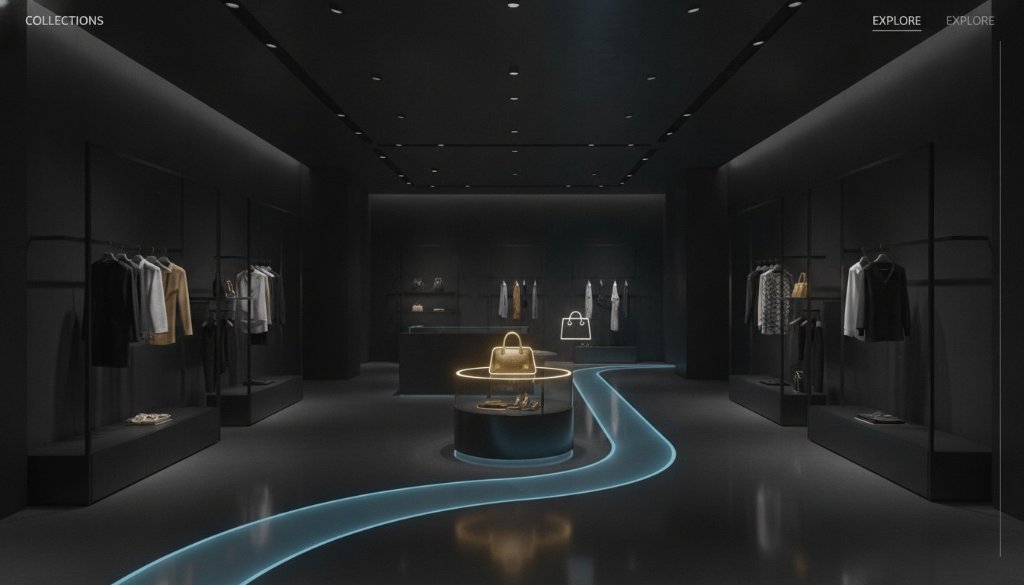
A standard 3D scan is a map. An intelligent virtual storefront is a marketplace. While many providers stop at the point of capture, 360INT Experience Studio views the high-fidelity 3D model as merely the foundational skeleton of a much larger ecosystem. By integrating custom branded storytelling overlays, we replace generic navigation with a guided, sensory journey that reflects your unique heritage. This isn't just about showing a space. It's about engineering a high-conversion environment where every pixel serves a commercial purpose.
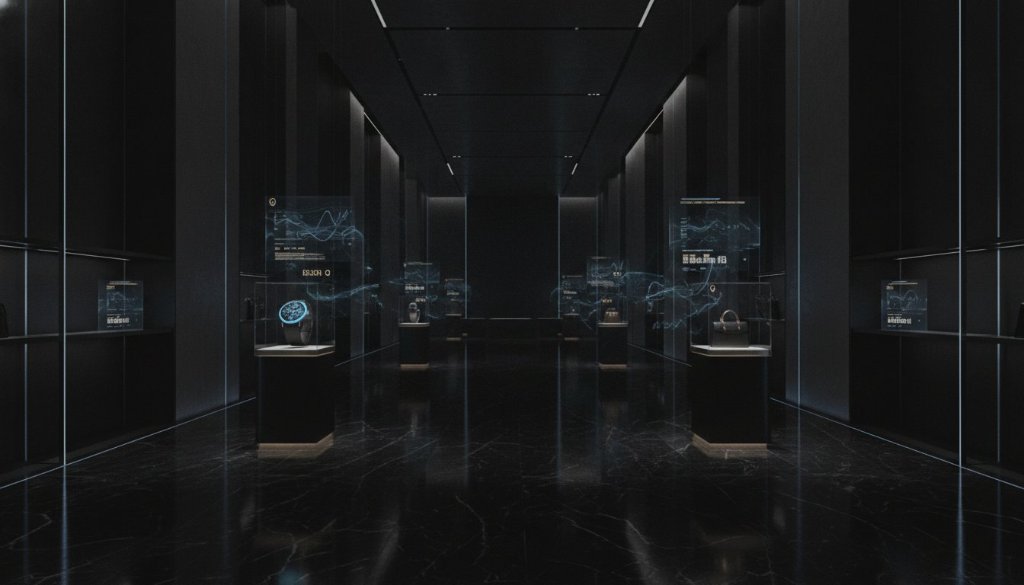
The 2026 standard for digital excellence requires a deep integration of live data. We move beyond static descriptions by syncing your digital twin with real-time inventory, pricing, and availability. This ensures that the experience is never out of sync with your physical operations. Whether it's a luxury suite in a hotel or a limited-edition watch in a boutique, the information is current, accurate, and actionable. If you're ready to elevate your digital presence, you can explore a custom spatial strategy tailored to your specific business goals.
Foundational Tech: Matterport Powered, 360INT Enhanced
Matterport remains the global industry standard for spatial accuracy and photorealistic detail. It provides the precise geometry required for a professional-grade digital twin. However, a raw scan lacks the strategic layer necessary for commercial success. This is the next evolution of Matterport. 360INT Experience Studio takes the raw data and transforms it into a bespoke brand asset, layering in the intelligence that businesses need to qualify leads and close sales. Learn more about our Matterport-powered virtual tours to see how we build upon this gold-standard foundation to create intelligent Matterport experiences.
Interactive Layers: The Software That Sells
The true value of a spatial platform lies in its interactivity. We use proprietary software layers to bring the fun of in-store shopping into e-commerce, ensuring that visual discovery leads directly to transactional success. This intelligence layer includes:
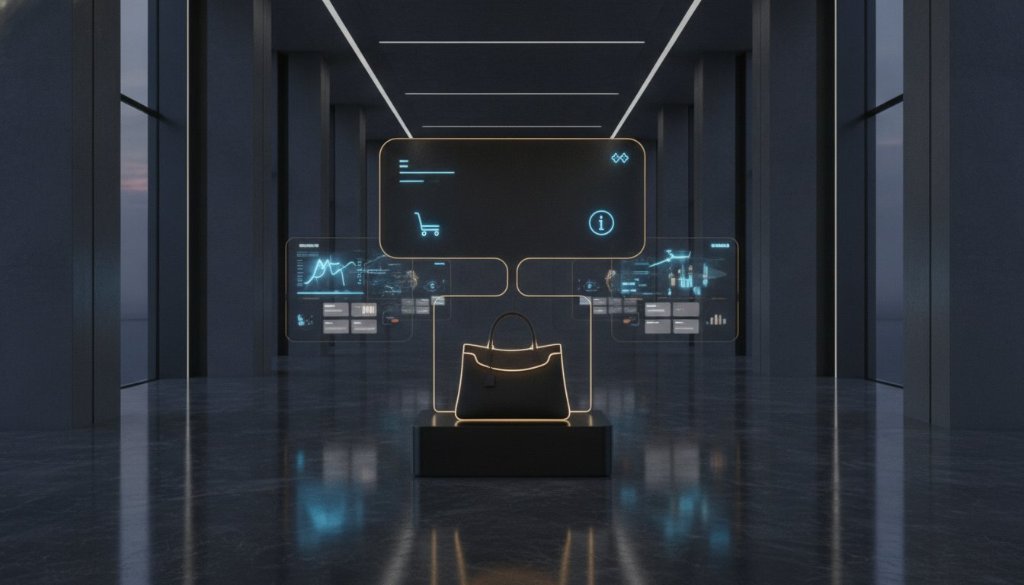
- E-commerce Hotspots: These allow for instant checkouts without ever leaving the immersive environment, reducing friction in the purchasing journey.
- MICE Measurement Tools: In luxury hospitality, these tools empower event planners to perform remote venue inspections with sub-centimeter accuracy, facilitating faster ballroom and event sales.
- AI-Driven Object Recognition: Our platforms utilize automated tagging to identify products in 3D space, creating a seamless and intuitive shopping experience that feels natural to the user.
Utilized Matterport. Enhanced by 360INT Experience Studio. This approach ensures that your space is not just a digital replica, but a powerful, measurable business asset designed to outperform traditional 2D competitors.
Passive Tours vs. Active Sales Platforms: A Strategic Comparison
Traditional 360-degree panoramas are a legacy technology. By 2026, the gap between "looking around" and "executing a transaction" has become the primary differentiator for luxury brands. While a basic panoramic system might show a room, a virtual storefront functions as a high-performance commerce engine. It's the difference between a static photograph and a living, breathing business asset. Recent research on immersive virtual reality demonstrates that high-fidelity spatial environments significantly outperform standard desktop experiences in user engagement and memory retention. This isn't just about aesthetics; it's about strategic sales enablement.
We leverage spatial data to identify high-intent buyers before they ever speak to a sales representative. Every interaction within the digital twin is a data point. When a user spends time analyzing the layout of a ballroom or the finish of a yacht's interior, they're qualifying themselves as a lead. This intelligence allows teams to focus their energy on the most promising prospects. From an operational standpoint, these platforms are transformative, often reducing the need for physical site visits by up to 40%. This efficiency saves time, reduces carbon footprints, and accelerates the decision-making cycle for global audiences.
Passive Navigation: The Engagement Killer
The "click-and-wait" nature of legacy panoramic systems is a silent engagement killer. It creates a jarring, disconnected experience that can damage the perception of a luxury brand. 360INT eliminates this friction. We create seamless, fluid movement through digital spaces that feels natural and intuitive. Our approach moves away from the stuttering transitions of the past and toward a continuous, high-fidelity journey. Intelligent Matterport experiences don't just mimic reality; they improve upon it by removing the physical barriers to entry.
Active Sales Enablement: The 360INT Approach
A 360INT platform never sleeps. It serves as a 24/7 sales ambassador that's capable of handling complex interactions without human intervention. By integrating live booking engines and e-commerce layers directly into the 3D environment, we close the loop between discovery and purchase. This is the next evolution of Matterport, where the digital twin becomes a self-sustaining revenue stream. You can explore our custom immersive experiences to see how we turn passive walkthroughs into active commerce hubs. Utilized Matterport. Enhanced by 360INT. This strategy ensures your digital presence is a measurable asset rather than an overhead cost.
Industry Applications: From Luxury Retail to MICE Venues
The versatility of a spatial commerce platform lies in its ability to solve sector-specific friction points. While a generic website provides information, a virtual storefront provides certainty. In high-stakes industries where the "feel" of a space dictates the final transaction, these digital twins serve as the ultimate bridge between global interest and local conversion. We don't just replicate environments; we optimize them for the specific business logic of your vertical. Intelligent Matterport experiences ensure that whether you're selling a ballroom or a boutique, the technology is working to qualify your leads and accelerate your sales cycle.
Across all sectors, the goal remains consistent: transforming a physical asset into a high-performance digital revenue stream. This is the next evolution of Matterport. We take the spatial accuracy of foundational scans and layer on the interactive intelligence required for global commerce. From the intricate details of a luxury watch to the vast expanse of a shipyard, the fidelity of our work remains uncompromising. Utilized Matterport. Enhanced by 360INT. This approach ensures your brand is presented with the technical authority and premium sensibility it deserves.
Hospitality & MICE: Selling the Space Before the Visit
Event planners often face the challenge of booking venues from thousands of miles away. Our platforms empower these decision-makers with remote venue visualization, allowing them to perform walkthroughs and take precise measurements without leaving their desks. This capability significantly reduces the sales cycle for international ballroom and event bookings. By providing high-fidelity spatial data, 3D tours reduce OTA dependency for luxury resorts by empowering guests to book directly through the brand's own ecosystem. This shift doesn't just save on commissions; it builds a direct, data-rich relationship with the client.
Retail & Showrooms: The Guided Purchasing Journey
Standard e-commerce is inherently flat, often failing to highlight the craftsmanship and depth of premium products. We use "Z-axis" storytelling to create a digital flagship experience where customers can explore product details in three dimensions. By integrating e-commerce hotspots, we turn visual discovery into a friction-less conversion point. High-quality visuals are the bedrock of this experience, which is why we often integrate professional architectural photography for retail to ensure every angle is polished and on-brand. The result is a guided journey that feels less like a transaction and more like a high-end hospitality experience.
Real Estate & Superyachts: High-Stakes Documentation
In real estate, our tools focus on buyer qualification and faster decision-making through AI-driven object recognition. This allows potential owners to shop and book directly within the 3D environment. For the superyacht industry, the requirements are even more rigorous. We utilize drone 3D scans and LiDAR mapping to provide high-resolution documentation of these complex vessels. This technical depth ensures that every architectural nuance is captured, providing owners and brokers with a definitive digital asset for sales and operational planning.
Calculating ROI: Transforming Spaces into Measurable Assets
Direct revenue is the ultimate benchmark. For luxury hospitality brands, the financial shift from OTA commissions to direct bookings represents a significant recovery of profit margins. Traditional booking engines are functional but lack the persuasive power of a high-fidelity environment. A virtual storefront recaptures this value by providing the certainty guests need to book directly. According to 2026 industry data, products featuring 3D or AR content command a 94% higher conversion rate than static images. This isn't a marginal gain. It's a fundamental transformation of how digital assets perform on the balance sheet.
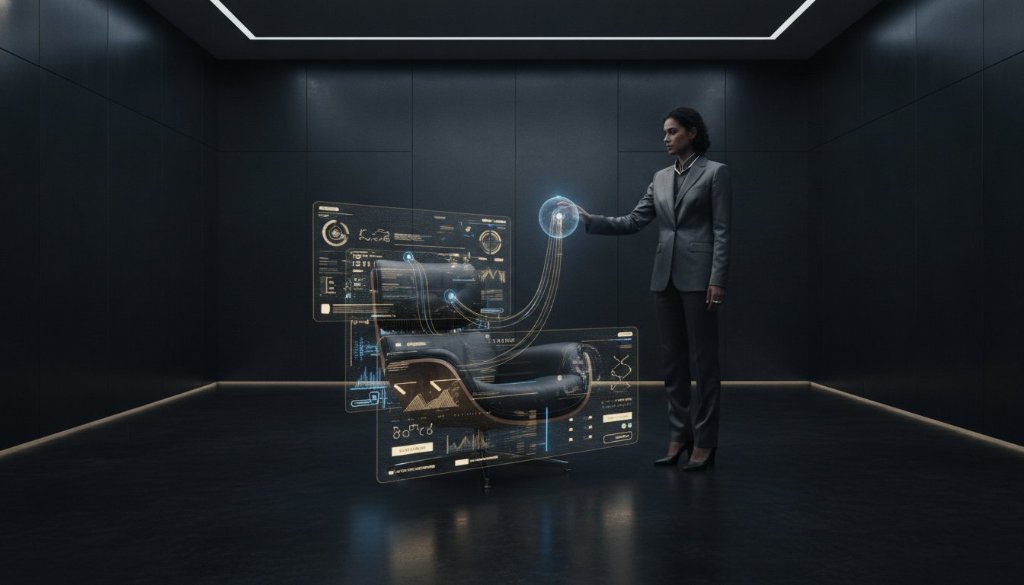
Operational efficiency provides the second pillar of ROI. By deploying intelligent Matterport experiences, global MICE and retail operations can reduce physical site-visit costs by approximately 40%. This reduction in travel and logistical overhead accelerates the sales cycle while maintaining a premium brand presence. Data-driven marketing further enhances this value through spatial heatmaps. These tools allow you to track exactly where a customer lingers, which architectural features capture their attention, and which products drive the most engagement. Data is the new currency; we help you spend it wisely.
The Metrics of Immersion
We move beyond simple page views to track meaningful interaction. In an intelligent business environment, every hotspot interaction and conversion rate is meticulously documented. This granular data allows for the continuous optimization of the user journey, ensuring that the digital twin remains a high-performing sales tool. Industry benchmarks, such as those reported by Emperia, show that virtual stores can deliver an average ROI of 650%. The long-term value of a high-fidelity asset lies in its versatility. It serves as a 24/7 sales ambassador, a training tool for staff, and a permanent archive of brand excellence.
The 360INT Conclusion: Upgrading for Business
The storefront of the future is spatial, not flat. 360INT invites forward-thinking brands to move beyond the basic scan and into a comprehensive spatial strategy. We don't just capture spaces; we architect digital worlds that bring a sense of purpose to data-driven environments. This is the next evolution of Matterport. Utilized Matterport. Enhanced by 360INT. By layering intelligence onto physical forms, we create a seamless bridge between your physical location and a global audience. Whether you are managing a luxury hotel or a global retail flagship, your digital presence should be your most powerful sales asset.
Contact 360INT to build your intelligent virtual storefront
Architecting Your Spatial Commerce Future
The era of the flat web is behind us. Brands that command the luxury sector in 2026 recognize that a virtual storefront is more than a visual asset; it's a strategic engine for global growth. By evolving from passive walkthroughs into intelligent Matterport experiences, you bridge the gap between physical flagship locations and a borderless audience. We've spent over a decade perfecting the art of spatial experience marketing, ensuring that every digital twin we architect is upgraded for business.
You've explored how interactive layers and real-time data integration transform static scans into high-performance sales tools. Whether you're accelerating MICE sales in a luxury ballroom or launching a global retail flagship, the focus remains on measurable outcomes. 360INT stands as your visionary guide. We are Matterport digital twin experts who specialize in the nuances of luxury hospitality and retail. Utilized Matterport. Enhanced by 360INT.
Your physical space has a soul. It's time your digital presence did too. Let's transform your location into a powerful, interactive business environment that captures the imagination and the transaction.
Frequently Asked Questions
What is the difference between a virtual tour and a virtual storefront?
A virtual tour is a passive legacy experience, while a virtual storefront is an intelligent commerce platform. 360INT utilizes Matterport technology as a foundation but upgrades it with interactive layers and business logic. This evolution transforms a simple walkthrough into a tactical sales tool that qualifies leads and facilitates transactions in real time. It's the necessary step for brands that require more than just a visual representation.
Can I integrate my existing e-commerce platform with a 3D virtual storefront?
Yes, our interactive business environments integrate seamlessly with major e-commerce backends like Shopify and Magento. We layer intelligent hotspots over the digital twin, allowing for live stock updates and in-experience checkouts. This turns your spatial asset into a functional extension of your retail operations. It's a bridge between your physical flagship and your global digital audience, ensuring a friction-less purchasing journey.
How long does it take to produce a high-fidelity virtual storefront?
Production timelines depend on the spatial complexity and the depth of integrated intelligence required for your project. Typically, a high-fidelity environment is architected within a few weeks. This period includes the initial high-resolution capture, the layering of custom branded storytelling, and the technical integration of sales tools. We prioritize a polished finish that reflects the premium sensibility of your brand over a rushed, basic scan.
Do customers need special VR equipment to visit a virtual storefront?
No specialized hardware is required for your customers to access the experience. Our platforms are designed for high-fidelity performance across all modern devices, including smartphones, tablets, and desktops. While the environments are compatible with VR headsets for deeper immersion, the primary goal is accessibility. We ensure your global audience can visit your space and execute transactions through any standard web browser without technical barriers.
How does a virtual storefront help with SEO and online visibility?
Our platforms enhance SEO by dramatically increasing user engagement metrics like time on site. A virtual storefront keeps visitors on your page longer, which signals high value to search algorithms. By providing a more immersive and useful experience than a standard 2D grid, you improve your brand's authority. We also optimize these environments for Google Maps to ensure your business dominates both local and global search results.
Is it possible to include live booking features for hotels and venues?
Absolutely, we specialize in integrating live booking engines directly into the 3D environment for luxury hospitality. This allows event planners to perform remote venue inspections and execute ballroom or event sales instantly. It's an operational tool designed to reduce sales cycles and capture direct bookings without paying OTA commissions. It's the next evolution of Matterport, specifically upgraded for the high-stakes MICE industry.
What is the ROI of a virtual storefront compared to traditional photography?
ROI for these platforms is measured through tangible business outcomes rather than mere aesthetics. Traditional photography can't qualify a lead or execute a sale. In contrast, 360INT-enhanced environments provide spatial data and heatmaps that track customer interest. According to 2026 data, these intelligent Matterport experiences drive up to a 94% higher conversion rate than static content, making them a high-performing business asset rather than an overhead cost.
Can a virtual storefront be updated as physical inventory changes?
Yes, the intelligence layer is designed to be updated without rescanning the entire physical space. We use dynamic hotspots that pull data directly from your inventory management system. As your physical stock or pricing changes, the digital environment reflects those updates automatically. This ensures your platform remains a current and accurate sales ambassador that's always in sync with your real-world operations.